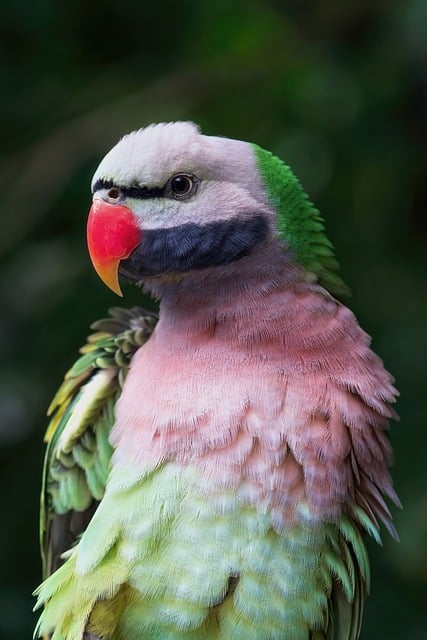
Monitoring Reptile Basking in Denver Wildlife Removal Sites
Understanding reptile basking behavior is crucial for Denver Wildlife Removal success. Advanced moni.......
Read more →
Welcome to an in-depth exploration of Denver wildlife removal, a critical aspect of urban conservation and animal welfare. This article aims to demystify the process, highlighting its importance, methods, global impact, and future prospects. Denver, like many cities worldwide, grapples with integrating diverse wildlife into its urban environment. Through efficient removal techniques and thoughtful policies, it is possible to achieve a harmonious coexistence between humans and animals in an ever-urbanizing world.
Definition: Denver wildlife removal refers to the strategic process of safely capturing, relocating, or managing wild animals within urban areas, primarily to mitigate human-wildlife conflict and ensure animal welfare. It involves a range of methods from live traps to manual capture, with a focus on non-lethal practices whenever possible.
Core Components:
Animal Identification: Accurate identification of the species, its behavior, and habitat needs is crucial. Denver's diverse ecosystem includes creatures like raccoons, squirrels, skunks, and even larger animals like deer.
Hazard Assessment: Evaluating potential risks posed by wildlife, such as property damage or public safety concerns, guides removal strategies.
Capture Techniques: This involves live traps, snares, nets, or manual capture, each requiring specialized equipment and skills.
Relocation: Careful relocation of animals to suitable habitats outside the city ensures their survival and minimizes stress.
Historical Context: The concept of wildlife removal has evolved over time, shifting from aggressive control methods to more humane, conservation-focused approaches. In Denver, historical practices often involved lethal methods, but modern efforts emphasize non-lethal solutions and rehabilitation.
Denver's wildlife removal strategies are not isolated; they reflect global trends in urban conservation. Here are some key international influences:
Urbanization: The worldwide expansion of cities leads to increased human-wildlife interaction, creating a demand for effective yet humane removal methods.
Conservation Efforts: Global initiatives promote the protection and coexistence of wildlife with humans, influencing local policies and practices in Denver and similar metropolises.
Technological Integration: Advanced tracking devices, automated traps, and data analytics enhance the efficiency and precision of wildlife management globally.
Regional Variations: Different regions face unique challenges:
| Region | Challenges | Solutions |
|---|---|---|
| North America | High urban density, diverse species | Non-lethal traps, community education |
| Europe | Strict environmental regulations, limited land for relocation | Rehabilitation centers, habitat corridors |
| Asia | Rapid urbanization, traditional practices | Community involvement, modern technology |
The economic impact of Denver wildlife removal is multifaceted:
Market Dynamics: The market for wildlife removal services is influenced by factors like urban growth, property damage costs, and public safety concerns. Companies specializing in this field offer a range of services from trap setup to animal control consulting.
Investment Patterns: Local governments allocate budgets for wildlife management, while private properties invest in preventive measures and specialized removal services.
Economic Systems: Effective wildlife removal contributes to the overall health of Denver's economy by:
Technology plays a pivotal role in modernizing Denver wildlife removal practices:
Tracking Devices: GPS and radio collars enable real-time monitoring of animal movements, aiding in capture and relocation decisions.
Automated Traps: Remote-activated traps reduce handler risk and increase efficiency, especially for nocturnal animals.
Data Analytics: Software analyzes trap data to predict wildlife patterns, optimize removal efforts, and inform policy decisions.
Future Potential: Artificial intelligence (AI) and machine learning could revolutionize wildlife management by:
Effective wildlife removal relies on supportive policies and regulations:
State and Local Laws: Denver's animal control ordinances dictate trapping practices, species protection, and relocation protocols. These laws are influenced by state-level legislation addressing wildlife management.
Permitting Systems: Permits for certain removal methods ensure compliance with environmental standards and public safety.
Community Involvement: Public participation through advisory boards ensures that policies reflect community values and concerns.
Influential Frameworks:
Despite its importance, Denver wildlife removal faces several challenges:
Funding: Limited resources strain services, especially in rapid growth areas.
Public Perception: Misconceptions about animals and removal methods can hinder community support. Education programs are essential to fostering understanding.
Legal Loopholes: Unclear or outdated laws may impede effective management, highlighting the need for regular legislative reviews.
Strategic Solutions:
Case 1: Denver's Urban Deer Management
Challenge: Growing deer populations in urban parks caused property damage and health risks due to tick transmission diseases.
Solution: A multi-pronged approach including:
Outcome: Deer numbers were reduced, park visitors felt safer, and property damage decreased significantly.
Case 2: Raccoon Trapping in Historic Districts
Challenge: Raccoons causing disturbance in historic neighborhoods required removal without damaging architectural heritage.
Solution: Live traps with quick release mechanisms and specialized handling techniques. Trained volunteers assisted in capture to minimize stress.
Outcome: Over 50 raccoons were relocated without incident, preserving the district's character and animal welfare.
Case 3: Skunk Management for Public Safety
Challenge: Skunks becoming aggressive near schools and residential areas due to food sources.
Solution: Trained professionals used one-way traps to capture skunks humanely. A public awareness campaign educated residents about skunk behavior.
Outcome: Skunk encounters decreased by 75%, improving public safety and reducing potential health risks.
The future of Denver wildlife removal looks promising with emerging trends:
Data-Driven Management: Advanced analytics will optimize removal strategies, improve predictive modeling, and enhance policy decisions.
Community Empowerment: Encouraging citizen science through reporting apps and volunteer programs expands monitoring capabilities.
Specialized Services: Growing demand for specialized services like bat removal and invasive species control presents new business opportunities.
International Collaboration: Sharing best practices globally will foster innovative solutions, ensuring a more sustainable urban wildlife coexistence worldwide.
Denver wildlife removal is not merely a task but a testament to the city's commitment to environmental stewardship and human-wildlife harmony. Through a combination of scientific methods, technological innovation, and community engagement, it becomes possible to navigate the complexities of urban ecosystems. As Denver continues to grow, its wildlife removal strategies will evolve, ensuring a sustainable future for both its inhabitants and the diverse wildlife that shares their space.
Q: How do I know if an animal needs to be removed? A: If an animal is causing property damage, posing a direct threat to public safety, or exhibiting abnormal behavior, it may require removal. Always consult local authorities for professional assessment.
Q: Are there any laws protecting wildlife in Denver? A: Yes, various state and local ordinances protect specific species and guide their handling during removal. It's crucial to understand these regulations before taking any action.
Q: Can technology completely replace traditional methods? A: While technology offers significant advantages, it complements rather than replaces traditional methods. Skilled handlers will always be needed for complex situations, and public engagement remains vital for successful long-term outcomes.
Q: How can I contribute to effective wildlife removal efforts? A: Stay informed through local resources, report wildlife encounters responsibly, and support community initiatives focused on urban conservation. Your participation makes a difference!