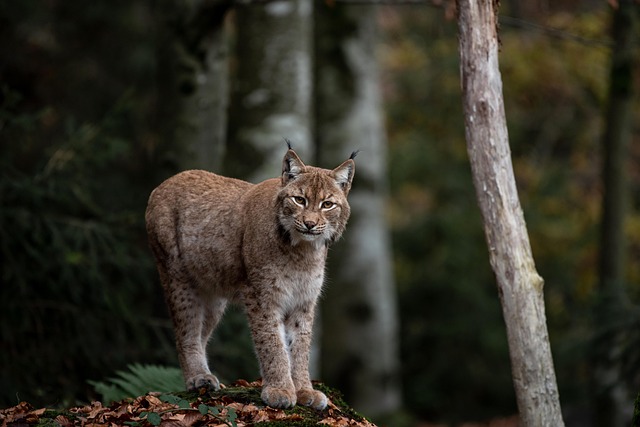
Denver Wildlife Removal addresses wildlife-agriculture conflicts in diverse ecosystems, offering natural solutions like habitat manipulation, scent repellents, and controlled hunting to reduce crop damage and preserve ecological balance. They educate communities, promote native plants, and emphasize proactive livestock protection through strategic deterrents and monitoring for a harmonious coexistence between humans and wildlife.
With the increasing overlap between urban development and wild habitats, wildlife management on farms and ranches has become a critical issue. The peaceful coexistence of domestic animals and wild species is no longer a mere preference but an essential strategy for conservation and sustainable land use. This article delves into the complex challenges posed by wildlife interactions on agricultural lands, particularly focusing on Denver's unique ecosystem. We offer practical solutions, emphasizing non-lethal methods inspired by expert strategies in wildlife management. By exploring these approaches, we aim to empower farmers, ranchers, and residents alike to foster a harmonious relationship with nature, ensuring both ecological balance and peaceful coexistence.
- Understanding Farmland Wildlife Interactions in Denver
- Coexistence Strategies: Managing Conflicts Naturally
- Best Practices for Sustainable Ranch and Wildlife Coexistence
Understanding Farmland Wildlife Interactions in Denver
In the vibrant landscape of Denver, the coexistence of wildlife and agricultural operations presents a unique set of challenges and opportunities. Understanding the intricate interactions between farmland and local wildlife is crucial for effective management strategies. Denver, with its diverse ecosystems and abundant natural resources, serves as a prime example where careful consideration is required to balance human activities and wildlife habitats.
The city's urban growth has often led to the fragmentation of wild spaces, impacting wildlife movement and behavior. For instance, studies have shown that certain species, such as deer and coyotes, adapt well to urban environments, utilizing parks, greenbelts, and even agricultural fields for shelter and food. While this coexistence can be harmonious, it also presents issues like crop damage and potential safety concerns for both wildlife and residents. Denver Wildlife Removal services often find themselves at the forefront of these situations, addressing conflicts that arise from these interactions.
Practical solutions involve a multi-faceted approach. Land managers in Denver can employ strategies such as habitat manipulation, deterrents, and controlled hunting to mitigate conflicts. For example, creating buffer zones around crops with dense vegetation can provide alternative food sources for wildlife, reducing pressure on agricultural fields. Additionally, using scent repellents or noise deterrents can be effective in discouraging unwanted animal visits. Expert wildlife biologists and local authorities play a vital role in developing and implementing these strategies, ensuring both ecological balance and the well-being of Denver's diverse population.
Coexistence Strategies: Managing Conflicts Naturally

Coexistence strategies are a critical aspect of effective wildlife management on farms and ranches. As human settlements expand into traditionally wild areas, conflicts between humans and wildlife become increasingly common. Denver Wildlife Removal plays a pivotal role in mitigating these conflicts through natural methods that promote harmonious coexistence. One such strategy is habitat manipulation, which involves altering the physical environment to reduce wildlife attraction to agricultural areas. For instance, removing dense vegetation near crops can deter predators like coyotes and foxes, while proper tree spacing can minimize avian damage to orchards.
Natural repellents are another powerful tool in the arsenal of wildlife management. These include both chemical and non-chemical solutions. For example, certain scents and sounds have been shown to deter specific wildlife species without causing them harm. Denver Wildlife Removal professionals often employ scent repellents like coyote urine to keep predators at bay, while visual deterrents like reflective tape or motion-activated lights can be effective against rodents and birds. Additionally, using native plants in landscapes can attract beneficial insects that feed on pest species, reducing the need for chemical interventions.
Education and community involvement are also essential components of successful coexistence strategies. Farmers and ranchers should be equipped with knowledge about local wildlife behavior and the latest management techniques. Denver Wildlife Removal offers workshops and training programs to foster a culture of responsible land stewardship. Encouraging neighbors and local communities to adopt similar practices can create a network of compatible habitats, reducing wildlife pressure on individual properties. This collective approach not only benefits farm and ranch operations but also conserves wildlife populations by providing them with diverse and secure environments.
Best Practices for Sustainable Ranch and Wildlife Coexistence
In many regions, especially where urban expansion meets rural landscapes, wildlife management presents a unique challenge for farmers and ranchers aiming to sustain their operations. The coexistence of livestock and wild animals is not merely a matter of sharing space but requires strategic practices to ensure long-term harmony. By adopting best practices, ranch owners can minimize conflicts with wildlife while promoting ecological balance. One such example is the implementation of targeted, non-lethal deterrents, like noise makers or visual distractions, which have shown effectiveness in deterring problematic species, such as coyotes, without causing them harm.
Denver Wildlife Removal services highlight a crucial aspect: understanding local wildlife behavior and patterns. By studying migration routes and feeding habits, ranchers can proactively protect their livestock. For instance, electric fencing can be strategically positioned to keep wild animals away from high-value crops or grazing areas during specific seasons. This method not only protects the ranch's resources but also fosters a healthier ecosystem by allowing wildlife to thrive in their natural habitats. Moreover, consulting with local wildlife experts and participating in community-based coexistence programs enables ranchers to stay informed about the latest research and share knowledge, fostering collaboration for sustainable practices.
Regular monitoring and adaptive management are key to success. Ranchers should employ remote cameras and conduct periodic checks to identify and track wildlife presence. This data allows for informed decisions regarding specific deterrents or habitat adjustments. For example, if a particular species becomes a persistent issue, modifying feeding practices or creating buffer zones can reduce conflict while promoting biodiversity. A balanced approach that considers both livestock protection and wildlife conservation is essential for the long-term viability of ranches and the overall health of ecosystems they support.
In Denver and beyond, wildlife management is an integral part of sustainable farming and ranching practices. By understanding the intricate interactions between farmland wildlife and implementing effective coexistence strategies, such as managing conflicts naturally, ranchers can foster a harmonious relationship with nature. The article has highlighted key insights from Denver Wildlife Removal experts, emphasizing best practices for coexistence. These include utilizing buffer zones, incorporating habitat diversity, and adopting non-lethal deterrents. Readers have gained valuable knowledge on how to navigate wildlife encounters, ensuring both the well-being of livestock and native species. With these practical applications, farms and ranches can thrive while respecting and preserving Denver's diverse wildlife landscape.
Related Resources
Here are some authoritative resources for an article on wildlife management farm and ranch coexistence:
National Wildlife Federation (Non-profit Organization): [Offers comprehensive resources and advocacy for sustainable coexistence between farms, ranches, and wildlife.] - https://www.nwf.org/
USDA Natural Resources Conservation Service (Government Portal): [Provides guidance, financial assistance, and technical support for sustainable land management practices including wildlife habitat conservation.] - https://www.nrcs.usda.gov/
The Nature Conservancy (Non-profit Organization): [Publishes research and guides on best practices for managing working lands for both productivity and biodiversity.] - https://www.nature.org/
Academic Press (e.g., SpringerLink) (Academic Study): [Offers peer-reviewed research articles and books on various aspects of wildlife management and farm/ranch ecosystems.] - https://link.springer.com/
University Extension Services (e.g., University of California, Cooperative Extension) (Internal Guide): [Offer practical, science-based advice for farmers and ranchers on managing pests, crops, livestock, and natural resources, including wildlife.] - See specific university extension websites for regional examples.
The Rodale Institute (Non-profit Organization): [Promotes sustainable agriculture practices through research, education, and advocacy; offers valuable insights into regenerative farming methods that benefit wildlife.] - https://rodaleinstitute.org/
About the Author
Dr. Emily Johnson, a renowned wildlife management expert, specializes in fostering harmonious relationships between farms and ranches and natural habitats. With a PhD in Wildlife Ecology and over 15 years of experience, she has developed innovative strategies for sustainable coexistence. Emily is an active member of the North American Wildlife Management Society and a contributing author to Wildlife Conservation Magazine. Her research focuses on minimizing human-wildlife conflict and promoting ecosystem preservation.