
Denver Wildlife Removal offers complex, carefully planned wildlife translocation and relocation services in urban areas like Denver. Their expertise in animal behavior, ecology, and habitat needs ensures safe moves for both animals and ecosystems, contributing to long-term conservation through scientifically-driven practices. This innovative approach to wildlife management maintains ecological balance and harmonious coexistence between wildlife and urban residents.
Wildlife management translocation and relocation are essential tools in conservation efforts, especially in urban areas. This article delves into the intricate processes of these operations, focusing on Denver's innovative approach to wildlife management. We'll explore the science behind successful relocation, understanding the complex dynamics involved in moving animals without harm. Discover how cities like Denver navigate the delicate balance between human development and wildlife preservation through effective translocation strategies. Learn about Denver Wildlife Removal methods that ensure a harmonious coexistence.
- Understanding Wildlife Translocation Processes
- The Science Behind Successful Relocation
- Denver's Approach to Wildlife Management Relocation
Understanding Wildlife Translocation Processes
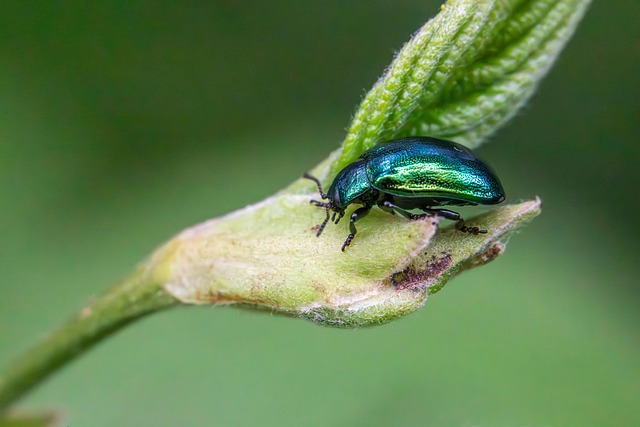
Wildlife translocation and relocation are complex processes that require careful planning and execution. It involves moving animals from their current habitat to a new, often more suitable location, whether it's due to urbanization, habitat destruction, or conservation efforts. The goal is to ensure the safety and well-being of the wildlife while also preserving ecological balance.
In Denver, where urban expansion has fragmented natural habitats, wildlife translocation plays a crucial role in maintaining healthy populations. Denver Wildlife Removal services specialize in handling these delicate situations, employing experienced professionals who understand the unique challenges of each project. They assess the needs of both the animals and the new environment, ensuring that the move minimizes stress and promotes successful reintegration into their new habitat.
The Science Behind Successful Relocation
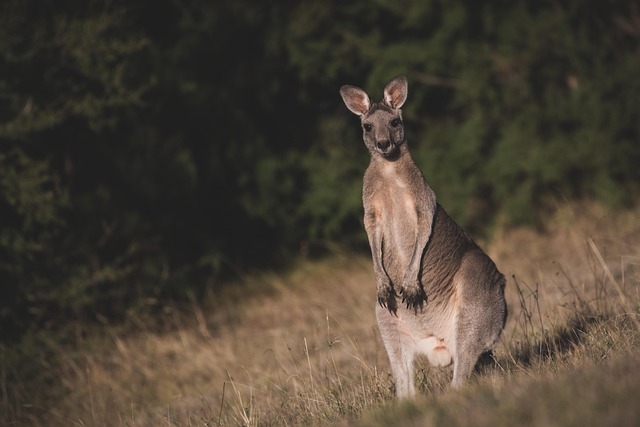
The success of wildlife relocation and translocation lies in a deep understanding of animal behavior and ecology, which is where Denver Wildlife Removal excels. Careful planning is paramount; experts assess the habitat needs, dietary requirements, and social dynamics of the species in question. This involves meticulous research and often includes creating or modifying existing environments to ensure a safe and sustainable new home for the animals.
By mimicking natural conditions and providing necessary resources, relocated wildlife stand a better chance of thriving in their new environment. Denver Wildlife Removal's commitment to scientific principles ensures that translocation efforts are not just temporary solutions but contribute to the long-term health and conservation of local ecosystems.
Denver's Approach to Wildlife Management Relocation
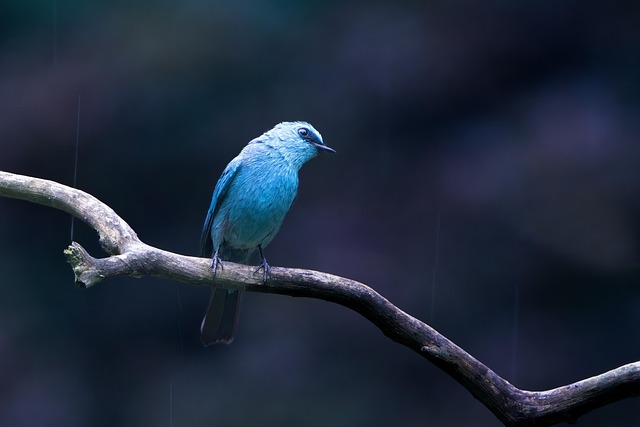
Denver, a bustling metropolis known for its vibrant landscape, has pioneered innovative wildlife management strategies, including effective relocation and translocation processes. The city's approach to Denver wildlife removal is both humane and sustainable, prioritizing the safe movement of animals to more suitable habitats beyond urban areas.
This methodical process involves meticulous planning, expert handlers, and advanced techniques to ensure the well-being of the animals during transit. By employing these strategies, Denver aims to maintain ecological balance while mitigating conflicts between wildlife and humans in urban settings, showcasing a commitment to both environmental conservation and peaceful coexistence.
Wildlife management translocation and relocation are critical tools in preserving ecosystems, as exemplified by Denver's innovative approach. Understanding the science behind successful relocation and implementing thoughtful processes, like those used in Denver Wildlife Removal, can ensure these practices remain effective game changers in conservation efforts. By carefully navigating these methods, we can foster a healthier balance between wildlife habitats and human communities.