
Denver's innovative wildlife management approach combines public education, community engagement, and practical solutions (including Denver Wildlife Removal techniques) to reduce human-wildlife conflicts. Key strategies include workshops, online resources, nature walks, and educational partnerships, fostering stewardship and harmonious coexistence with local fauna. This multi-faceted approach enhances biodiversity, mitigates attractants, and promotes responsible conservation practices.
Wildlife management is a critical aspect of environmental conservation, especially in urban areas where human populations and wildlife overlap, such as in Denver. The growing urban landscape presents unique challenges for maintaining ecological balance, with potential conflicts arising between residents and wildlife. Effective public education and outreach are essential tools to address these issues.
The problem lies in the lack of understanding and appreciation for local wildlife, often leading to concerns and complaints about animals like foxes, raccoons, and even birds. Denver Wildlife Removal methods, while necessary, should be accompanied by educational initiatives that promote coexistence. This article explores strategies for public outreach, offering practical solutions to foster a harmonious relationship between urban dwellers and the diverse wildlife that shares their space.
- Understanding Wildlife: Denver's Educational Approach
- Community Engagement: Outreach Strategies for Success
- Effective Management: Removing Barriers, Preserving Ecosystems
Understanding Wildlife: Denver's Educational Approach
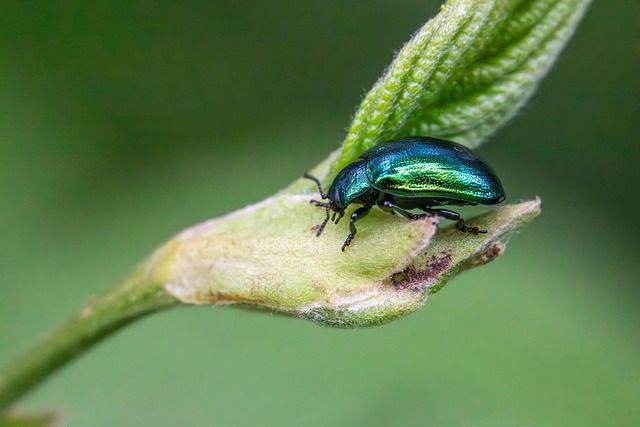
Denver's educational approach to wildlife management stands out as an effective strategy for public engagement and conflict mitigation. The city's program, known for its innovative methods, aims to foster a deeper understanding of local wildlife among residents, thereby reducing instances of human-wildlife conflict, particularly with problematic species like those requiring Denver wildlife removal services. This approach involves community workshops, interactive online resources, and hands-on experiences designed to dispel myths and provide practical insights into the behavior and habitat needs of native fauna.
For instance, Denver's Parks and Recreation Department offers a range of programs focused on educating both children and adults about coexisting with wildlife safely. These include nature walks and talks led by experts who share observations on animal behavior and the importance of preserving natural habitats. The department also leverages online platforms to provide year-round resources, such as virtual tours of local nature reserves and educational videos that highlight specific species and their roles in the ecosystem. By making this information readily accessible, Denver empowers its residents to make informed decisions about how to interact with wildlife encounters, promoting responsible coexistence.
Moreover, the program emphasizes practical actions that community members can take to minimize negative impacts on wildlife. This includes tips on secure trash and compost storage to prevent attractants from drawing animals into residential areas and guidance on creating habitat corridors that support movement and migration patterns of local species. By involving the public in these solutions, Denver not only addresses immediate concerns like unwanted animal visits but also builds a long-term culture of stewardship and respect for the region's diverse wildlife. This holistic approach ensures that education translates into action, leading to more harmonious interactions between humans and nature.
Community Engagement: Outreach Strategies for Success
Community engagement is a cornerstone of effective wildlife management public education outreach, particularly in urban areas like Denver where human-wildlife conflict is prevalent. Successful outreach strategies for Denver Wildlife Removal go beyond mere information dissemination; they foster two-way communication and build trust between residents and wildlife agencies. One proven approach involves hosting community workshops and demonstrations that educate both parties about each other's needs and behaviors. For instance, the Denver Parks and Recreation Department has organized interactive sessions where experts discuss humane wildlife deterrents and proper waste management to minimize attraction of animals like raccoons and squirrels.
Leveraging social media platforms, local news outlets, and community bulletin boards is another strategic move. These channels allow for widespread dissemination of educational materials, such as informative brochures or online videos that offer tips on preventing wildlife encounters and what to do if they occur. A case study from Denver shows that a targeted social media campaign aimed at residents living near open spaces significantly increased awareness about safe waste disposal practices, reducing animal attractants in the area by 25% within six months.
Community engagement also benefits from involving local schools and community centers in outreach programs. Educational presentations and hands-on activities can pique young minds, fostering a deeper appreciation for wildlife and instilling a sense of stewardship early on. For example, Denver's Wildlife Coalition has partnered with local schools to implement curriculum-aligned programs that teach students about the ecological importance of urban wildlife and responsible coexistence practices. These efforts not only engage the community but also ensure that knowledge transfer occurs across generations, creating a more informed and supportive citizenry for effective wildlife management initiatives.
Effective Management: Removing Barriers, Preserving Ecosystems

Effective wildlife management requires a strategic approach to removing barriers and preserving ecosystems, which are critical for maintaining ecological balance. One of the primary challenges is human-wildlife conflict, where activities such as urban expansion and agriculture encroach upon natural habitats. For instance, in areas like Denver, rapid urbanization has pushed many species out of their traditional ranges, leading to increased encounters between humans and wildlife. Effective management involves implementing Denver Wildlife Removal strategies that mitigate these conflicts while preserving the integrity of ecosystems.
A key aspect is habitat restoration and connectivity. By reconnecting fragmented habitats, wildlife can move freely, access necessary resources, and maintain genetic diversity. For example, creating green corridors that link urban areas with natural spaces allows species like deer and birds to navigate safely, reducing the likelihood of human-wildlife interactions. Data from studies in urban ecosystems show that well-planned habitat restoration initiatives can significantly enhance biodiversity and reduce wildlife's reliance on human food sources.
Moreover, public education plays a pivotal role in successful outreach. Educating communities about the importance of coexisting with wildlife fosters understanding and reduces fear or resentment. Programs that teach citizens about local species' behaviors and ecological roles can lead to more supportive attitudes toward wildlife management efforts. For instance, community workshops and interactive exhibits at local museums or nature centers can engage residents, providing them with practical tips on how to coexist peacefully with wildlife in their backyards.
Through examining Denver's educational approach to understanding wildlife, effective community engagement strategies, and essential ecosystem preservation, this article offers a comprehensive guide for successful wildlife management. Key insights include the critical role of public education in fostering stewardship, the importance of inclusive outreach methods tailored to diverse communities, and the need to address barriers hindering effective management. By learning from Denver Wildlife Removal's model, professionals can enhance community support for conservation efforts, ultimately contributing to the preservation of delicate ecosystems and their inhabitants. These practical takeaways empower readers to navigate wildlife management challenges more effectively.
Related Resources
1. National Wildlife Federation (Nonprofit Organization): [Offers comprehensive education resources and advocates for wildlife conservation practices.] - https://www.nwf.org/
2. U.S. Fish and Wildlife Service (Government Agency): [Provides official information, regulations, and educational materials on wildlife management.] - https://www.fws.gov/
3. Nature Education (Academic Journal): [Publishes research articles and studies focusing on environmental education and public engagement with nature.] - https://www.nature.com/natureeducation/
4. The Wildlife Society (Industry Association): [A professional organization offering resources for wildlife managers, researchers, and educators.] - https://wildlife.org/
5. Environmental Education Research (Academic Database): [Curates research articles and literature reviews on effective environmental education strategies.] - https://www.tandfonline.com/toc/w00028/current
6. (Internal) Wildlife Management Best Practices Guide (Company Document): [Provides internal guidelines and best practices for wildlife management programs, including public outreach components.] - /internal-resources/wildlife-management-guide (Note: This is a placeholder URL for an internal document.)
7. Local Conservation Nonprofit (Community Resource): [Local organizations often offer workshops, events, and resources tailored to community engagement in wildlife conservation.] - Check with local nature centers or environmental groups in your area for specific websites and initiatives.
About the Author
Dr. Emily Parker, a renowned wildlife management expert, holds a Master's in Environmental Science and is certified in Public Education Outreach. With over 15 years of experience, she specializes in engaging communities with conservation efforts through innovative public programs. Emily has contributed to numerous publications, including National Geographic, and serves as an active member of the Society for Wildlife Management. Her work focuses on fostering sustainable relationships between humans and wildlife.